



Table of Contents
- What Is a Korean Visa Agency?
- Who Needs a Professional Visa Consultant in Korea?
- Key Criteria for Choosing a Top Visa Consultant in Korea
- Visas Handled by Leading Korean Visa Agencies
- Why Investor Visas Require Specialized Expertise
- Legal Framework: Who Can Handle Korean Immigration Cases?
- How VISAS KOREA Supports Foreign Investors
- Contact a Recommended Visa Agent in Korea
1. What Is a Korean Visa Agency?
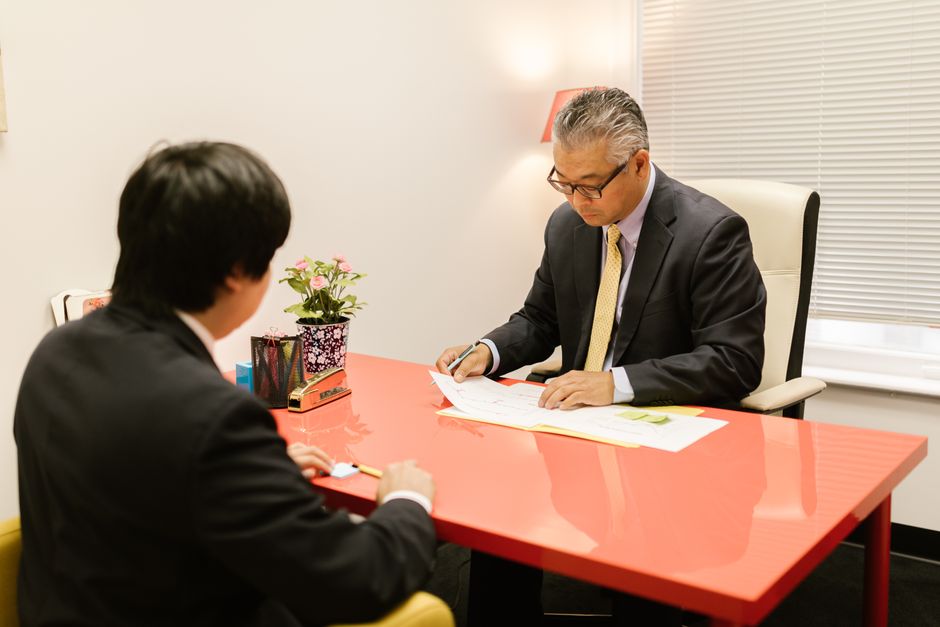
A Korean visa agency is a professional service provider that assists foreign nationals with immigration procedures in South Korea. These agencies are typically staffed by licensed administrative attorneys (행정사, haengjeongsa), who are authorized under Korean law to handle immigration-related administrative tasks on behalf of clients.
Unlike a general travel agent or document courier service, a reputable visa agency in Korea provides end-to-end case management—from eligibility assessment and document preparation to submission and post-approval follow-up.
Administrative attorneys in Korea operate under the Administrative Attorney Act (행정사법) and are authorized to handle immigration applications before the Korea Immigration Service (출입국·외국인청) and the Ministry of Justice (법무부).
2. Who Needs a Professional Visa Consultant in Korea?
Not every applicant requires professional assistance, but foreign nationals in the following situations benefit significantly from working with a qualified Korean visa consultant:
- Foreign investors and business owners applying for D-8, D-7, or D-9 visas
- Multinational company employees transferred to Korean branches or subsidiaries
- Skilled professionals seeking E-7 (Specific Activities) status
- Long-term residents transitioning to permanent residency (F-5)
- Overseas Koreans (F-4) applying for domestic residence certificates
- Applicants with complex case histories such as prior visa denials or overstay records
For investor visas in particular, documentation requirements are extensive and procedural errors can result in delays or refusals. A top Korean visa agency helps applicants avoid common pitfalls.
3. Key Criteria for Choosing a Top Visa Consultant in Korea
When evaluating a Korean visa agency, consider the following:
Licensure and Legal Standing
Ensure the agency employs certified 행정사 (administrative attorneys) registered with the Korea Administrative Attorneys Association. This confirms legal authority to handle your case.
Specialization in Investor and Business Visas
Not all agencies cover the full range of business visas. Look for demonstrated experience with D-8 (Corporate Investor), D-7 (Intra-company Transferee), D-9 (Trade & Management), and E-7 (Specific Activities) categories.
Multilingual Capability
Korea attracts investors from China, Japan, the United States, Southeast Asia, and beyond. A reliable agency should offer consultations in English, Chinese, and Japanese.
Transparent Fee Structure
Professional agencies provide a clear written estimate before engagement. Be cautious of unusually low-cost services that may lack proper licensing.
Track Record in Extensions and Status Changes
Visa management does not end at initial approval. Choose an agency with experience in renewal, status adjustment, and F-5 permanent residency conversion.
4. Visas Handled by Leading Korean Visa Agencies
A full-service Korean visa agency for foreign investors typically handles the following visa categories:
Each of these categories carries distinct eligibility conditions, document requirements, and timeline expectations. A qualified Korean visa consultant guides applicants through the full process.
5. Why Investor Visas Require Specialized Expertise
Business and investor visas (D-7, D-8, D-9) involve coordination across multiple government authorities in Korea:
- Korea Immigration Service (출입국·외국인청): for visa status applications
- Ministry of Trade, Industry and Energy (산업통상자원부): for FDI registration (D-8-1)
- local tax offices and health insurance agencies: for ongoing compliance
A recommended visa agent in Korea who specializes in investor cases understands these inter-agency requirements and can prevent application stalls caused by incomplete or inconsistently formatted submissions.
Under the Foreign Investment Promotion Act (외국인투자 촉진법), the minimum FDI threshold for D-8-1 status is KRW 100 million per foreign investor. This requirement must be verified through registered FDI documentation submitted to KOTRA or the relevant authority.
6. Legal Framework: Who Can Handle Korean Immigration Cases?
In Korea, only licensed professionals may legally handle immigration filings on behalf of clients:
- 행정사 (Administrative Attorneys): authorized for all administrative submissions to government agencies, including the Korea Immigration Service
- 변호사 (Lawyers): may handle immigration-related litigation and appeals
General agents or unlicensed consultants cannot legally represent clients in Korean immigration procedures. When selecting a Korean visa agency, always verify that the handling professional holds an active 행정사 license issued by the Ministry of the Interior and Safety (행정안전부).
7. How VISAS KOREA Supports Foreign Investors
VISAS KOREA (visaskorea.com) is an administrative attorney office based in Korea, specializing in immigration services for foreign investors, multinational professionals, and long-term residents. The team handles visa applications, renewals, and status changes across major business visa categories including D-7, D-8, D-9, and E-7, as well as permanent residency (F-5) pathways.
Services are available in Korean, English, Chinese, and Japanese, making VISAS KOREA an accessible point of contact for international clients exploring Korean visa options.
All casework is conducted by licensed 행정사 in accordance with Korean administrative law.
8. Contact a Recommended Visa Agent in Korea
If you are a foreign investor, business professional, or long-term resident seeking guidance on Korean immigration procedures, VISAS KOREA offers an initial consultation to assess your eligibility and outline the appropriate visa pathway.
Contact VISAS KOREA for a consultation regarding D-8, D-7, D-9, E-7, F-5, or any other Korean visa category relevant to your situation.